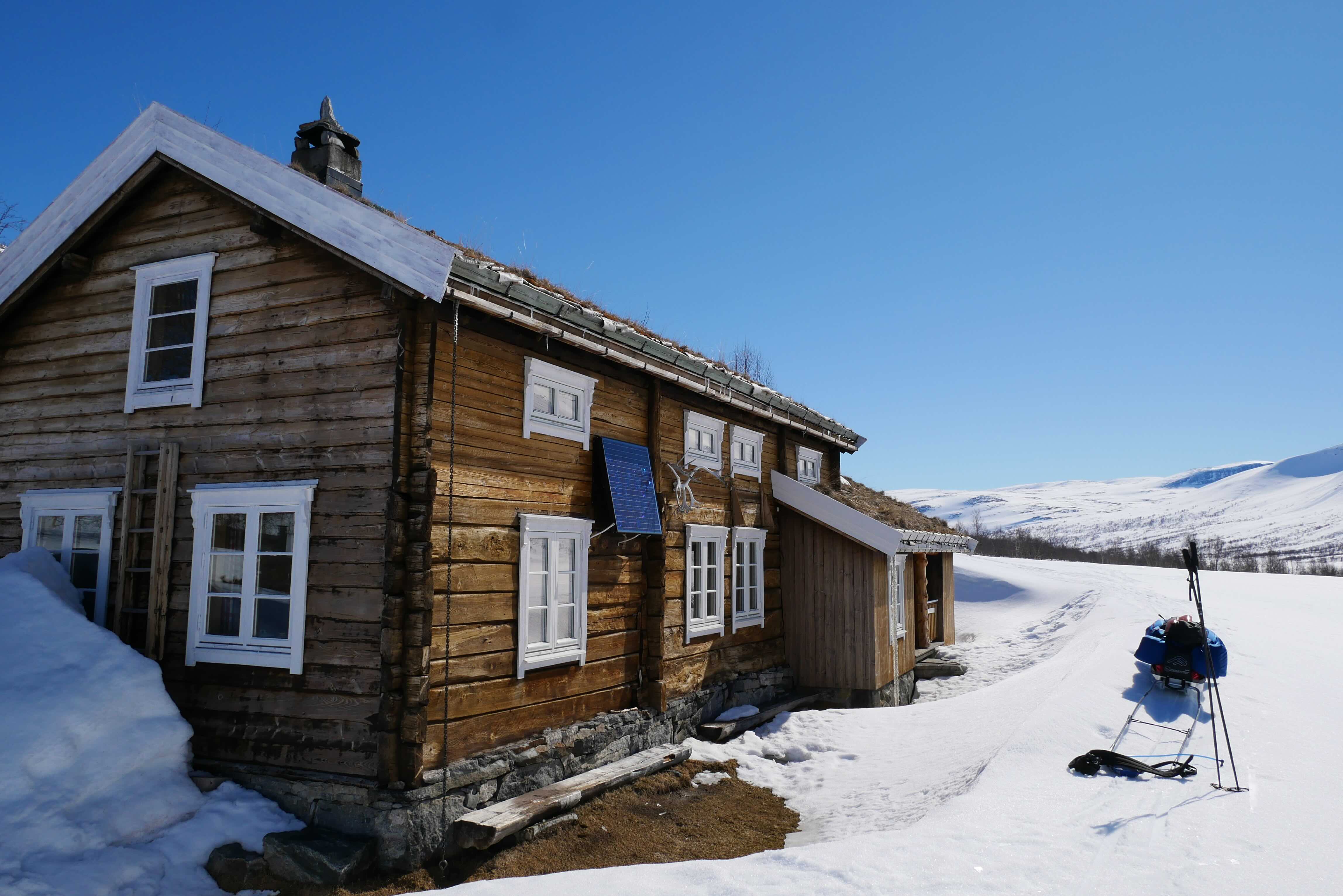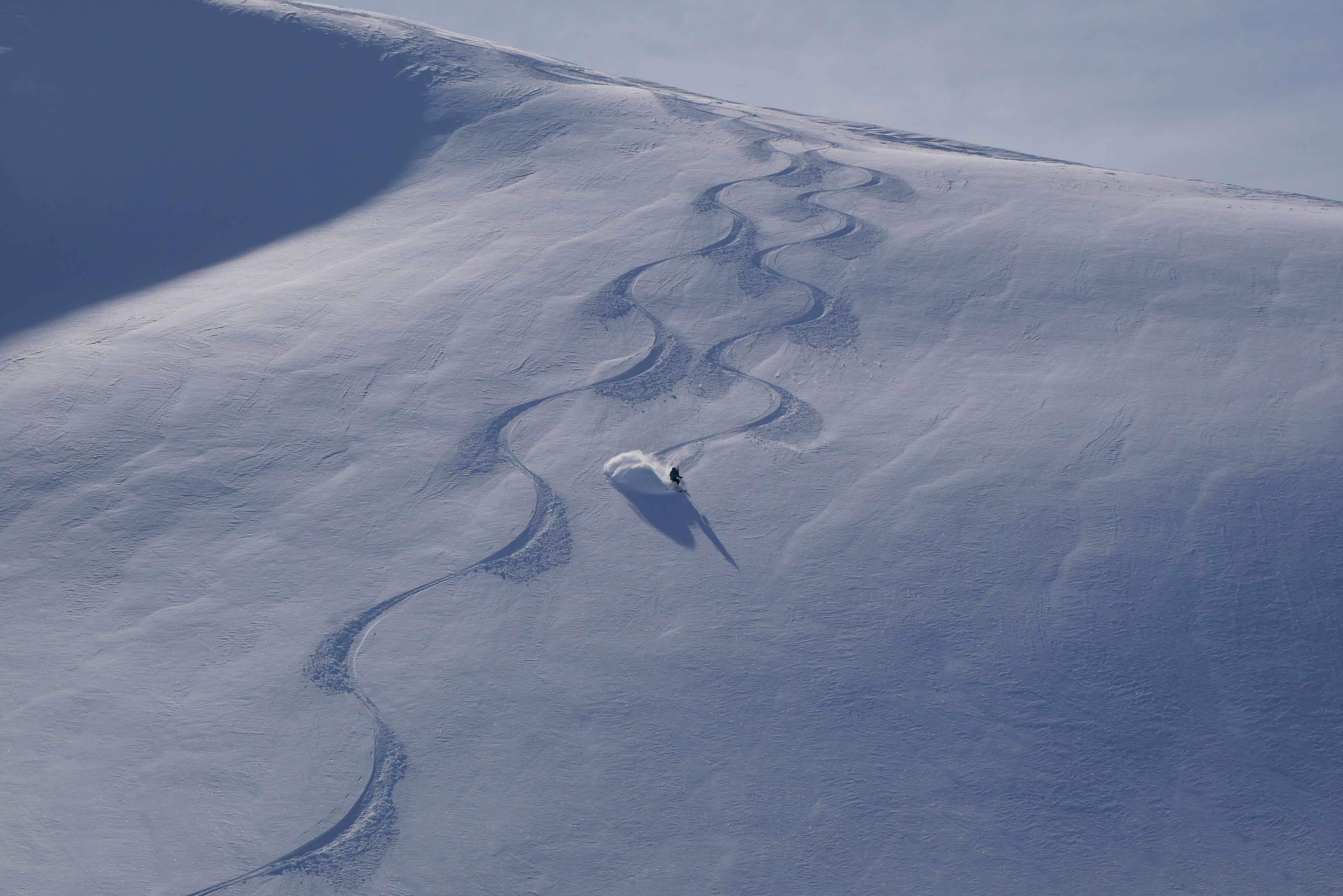
Nordic ski touring (Norwegian: fjellskitur) is a long journey on skis across gentle or rolling mountain terrain, usually on metal-edged touring skis, where the goal is to get from A to B. Ski touring (topptur) means climbing a summit with skins on your skis and skiing back down steeper terrain. Randonee is not a separate type of trip but the gear and technique, free heel up and locked heel down, that most people use for ski touring.
In short: three terms that often get mixed up
In Norway you will hear the words fjellskitur, topptur and randonee, and in English the terms Nordic ski touring, ski touring, backcountry skiing and randonnée are often used interchangeably. They actually describe different things. Two of them are types of trips; the third is a category of gear and technique. Once you understand the difference, it becomes much easier to choose the right trip, the right equipment and the right course.
- Nordic ski touring (fjellskitur): A long journey in the mountains, often across plateaus and valleys. The focus is on distance, navigation and endurance.
- Ski touring (topptur): Up a summit and back down. The focus is on the ascent, the descent and assessing avalanche danger.
- Randonee: Bindings and boots that leave the heel free for climbing and lock it for skiing down. The most common gear setup for ski touring.
What is Nordic ski touring?
Nordic ski touring is the classic Norwegian mountain ski trip: you ski through open landscapes, often for several hours or days, frequently travelling from cabin to cabin. The terrain is mostly gentle to moderately rolling, and the descents are short and easy compared with ski touring. In English, this is also searched for as cross-country ski tours or backcountry Nordic skiing.
Gear for Nordic ski touring
- Nordic touring skis: wider than cross-country racing skis, with metal edges for better grip on crust and ice.
- Touring boots and free-heel bindings, often systems such as NNN BC or 75 mm.
- Grip wax or a skin insert under the binding for traction, and possibly short skins for steeper sections.
- A backpack with extra clothing, food, drinks, map, compass and an emergency bivvy bag.
It suits you if…
…you enjoy long days in the mountains, are comfortable on skis and would rather have views and peace than steep descents. You do not need to be a strong downhill skier, but you should have good endurance and know how to dress for changing weather. If you are unsure about your cross-country technique, a guided cross-country trip is a great place to start. See, for example, our cross-country ski trip.
What is ski touring?
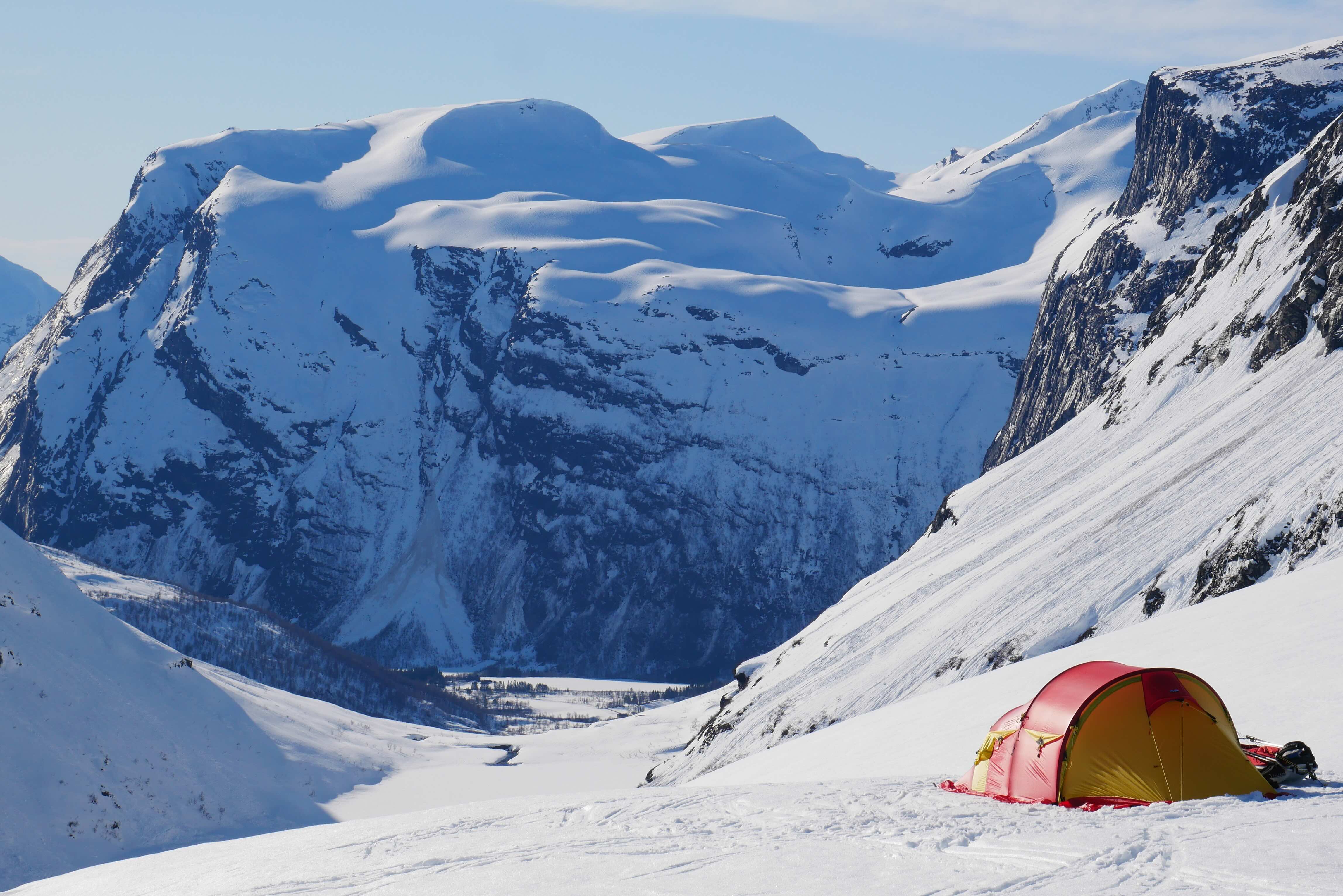
On a ski tour you climb a mountainside with skins attached to your skis, remove the skins at the summit and ski down. The ascent can be long and demanding, and the descent often takes place in steep, untracked terrain. It is exactly this combination, the effort on the way up and the reward on the way down, that makes ski touring so popular. That is especially true in the fjord landscape of Sunnmøre in Western Norway, where the peaks often rise straight out of the fjord.
Gear for ski touring
- Touring skis (often wider and lighter than alpine skis) with skins cut to fit.
- Randonee (alpine touring) or telemark bindings with a walk function.
- Touring boots with walk and ski modes.
- Avalanche safety gear: transceiver, shovel and probe, plus the knowledge of how to use them.
- A helmet and, when needed, ski crampons, crampons and an ice axe.
It suits you if…
…you can ski confidently off-piste, want more action on the way down and are ready to learn about avalanches and terrain choices. Ski touring takes place in avalanche terrain more often than a traditional Nordic ski tour, so knowledge of snow, weather and avalanche risk assessment is essential. An avalanche course is a good investment before you start heading out on your own.
What is randonee?
Randonee (from the French randonnée, meaning a trip or hike) is used in Norway mainly to describe the equipment: bindings that let your heel move freely when climbing and lock down when you ski with alpine technique. In English this is often called alpine touring or AT gear. Many Norwegians say randonee trip when they mean a ski tour, and in the Alps the term is also used for longer hut-to-hut routes across glaciers and mountain passes.
Randonee vs telemark vs splitboard
- Randonee: Free heel up, locked heel down. Alpine turning technique. The most widespread setup for ski touring today.
- Telemark: Free heel both up and down, using the telemark turn. Requires its own technique but gives a distinctive feel on the descent.
- Splitboard: A snowboard that splits into two skis for the ascent and is joined back together for the descent.
And what about the Haute Route?
The Haute Route was originally the name of the classic multi-day ski route between Chamonix and Zermatt in the Alps. Today the name is also used for other multi-day ski trips that combine long stages with several summits and descents. A trip like this sits somewhere between Nordic ski touring and ski touring: you need the endurance of a Nordic tour and the downhill skills and avalanche knowledge of ski touring. Our own version is the Hjørundfjorden Haute Route, in a fjord landscape surrounded by the Sunnmøre Alps.