
Your guide is the person you trust when the weather turns and the terrain gets steep. This summer, Norway published its first shared standard for what every guide should know – and Uteguiden is now helping shape the certification that will build on it.
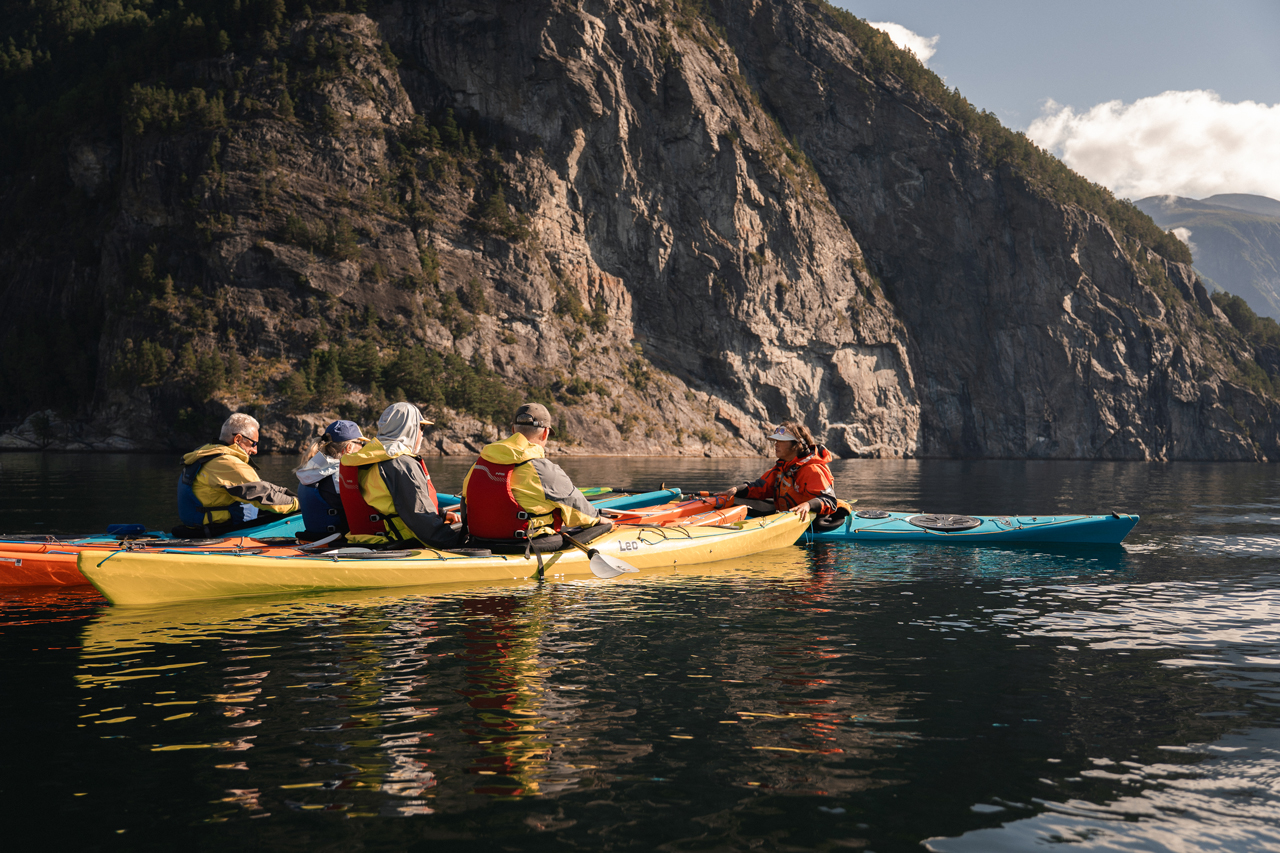
It's your guide who reads the snow before you drop into the slope, checks the sky before the kayaks hit the water, and knows exactly what to do if something goes wrong. Yet until now, Norway has had no common definition of what a guide actually needs to know.
In June, Standards Norway published NS 11011:2026, Guides – Basic Competence. It's part of a broader government push for a safer, more professional tourism industry. In July, Norway's Minister of Trade and Industry announced four new measures for the sector, including support for a guide certification scheme and a new task force to crack down on rogue operators. The certification standard is expected in the first half of 2027.
A floor, not a ceiling
The standard covers what every guide should bring, whether they're showing you a city street or a mountain ridge: knowledge of Norwegian nature, culture, and local communities, hospitality and group leadership, risk assessment, safety and first aid, regulations, ethics, and sustainability. It requires at least 300 hours of training – roughly a third of a full-time university semester.
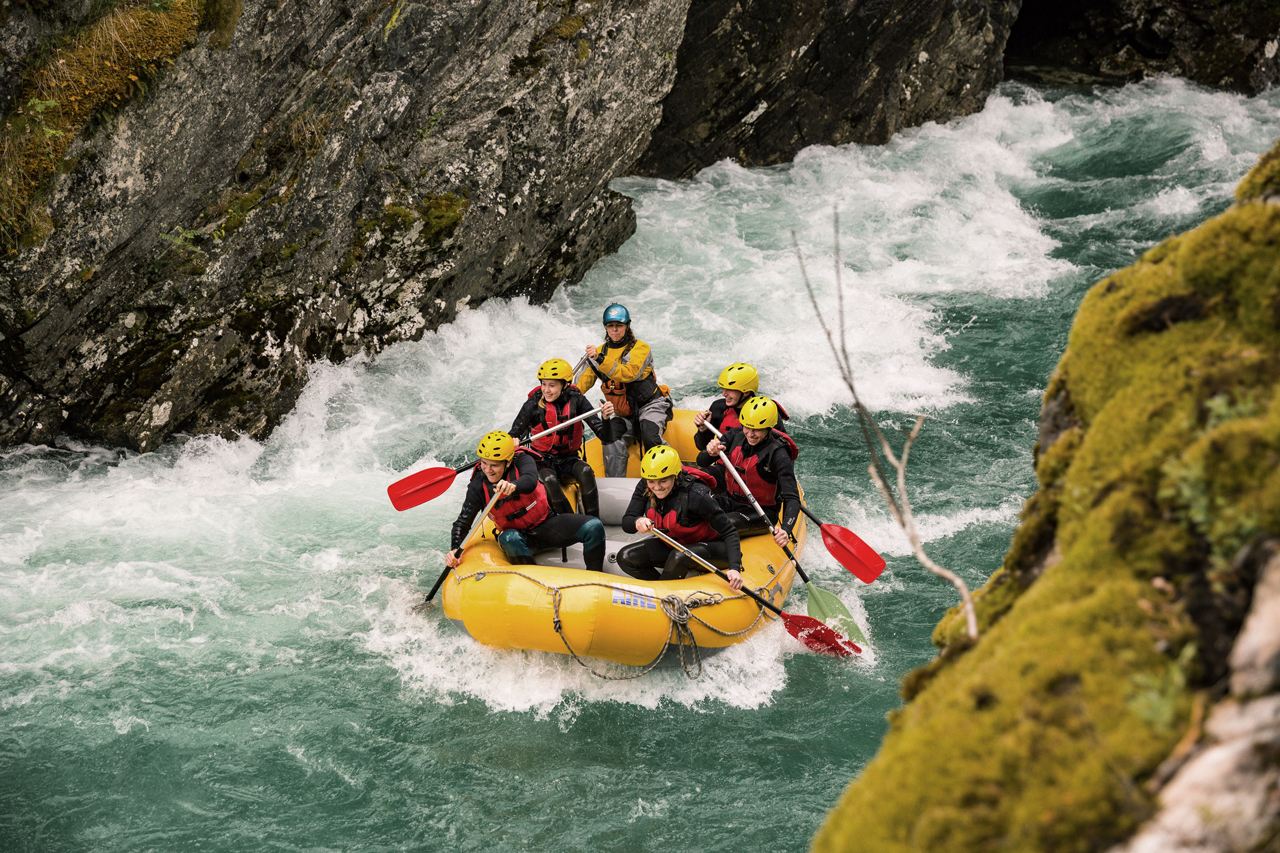
That's the minimum. It isn't a complete guide education, and it doesn't cover technical skills – leading a group down a river, up a climbing route, or across a snow-covered ridge. That expertise comes on top
Why we're at the table
Uteguiden has joined Standards Norway's tourism committee, SN/K 634, and is part of the working group exploring what a voluntary certification scheme could look like.
"We need higher levels of competence within the guiding industry, and clearer expectations of what it takes to work as a guide in Norway," says Erlend K. Ringstad, Guide & Valldal Manager at Uteguiden. "But we also need to avoid developing a system that looks excellent on paper while being too demanding or expensive to implement in practice."
We know the realities of running a guiding company: tight margins, short seasons, and many guides who travel from abroad to work here a few months each year. For a voluntary scheme to actually be used, it has to recognize the experience and training guides already have, work for international guides too, be affordable in both time and cost – and assess what people can do in the field, not just what's on paper.